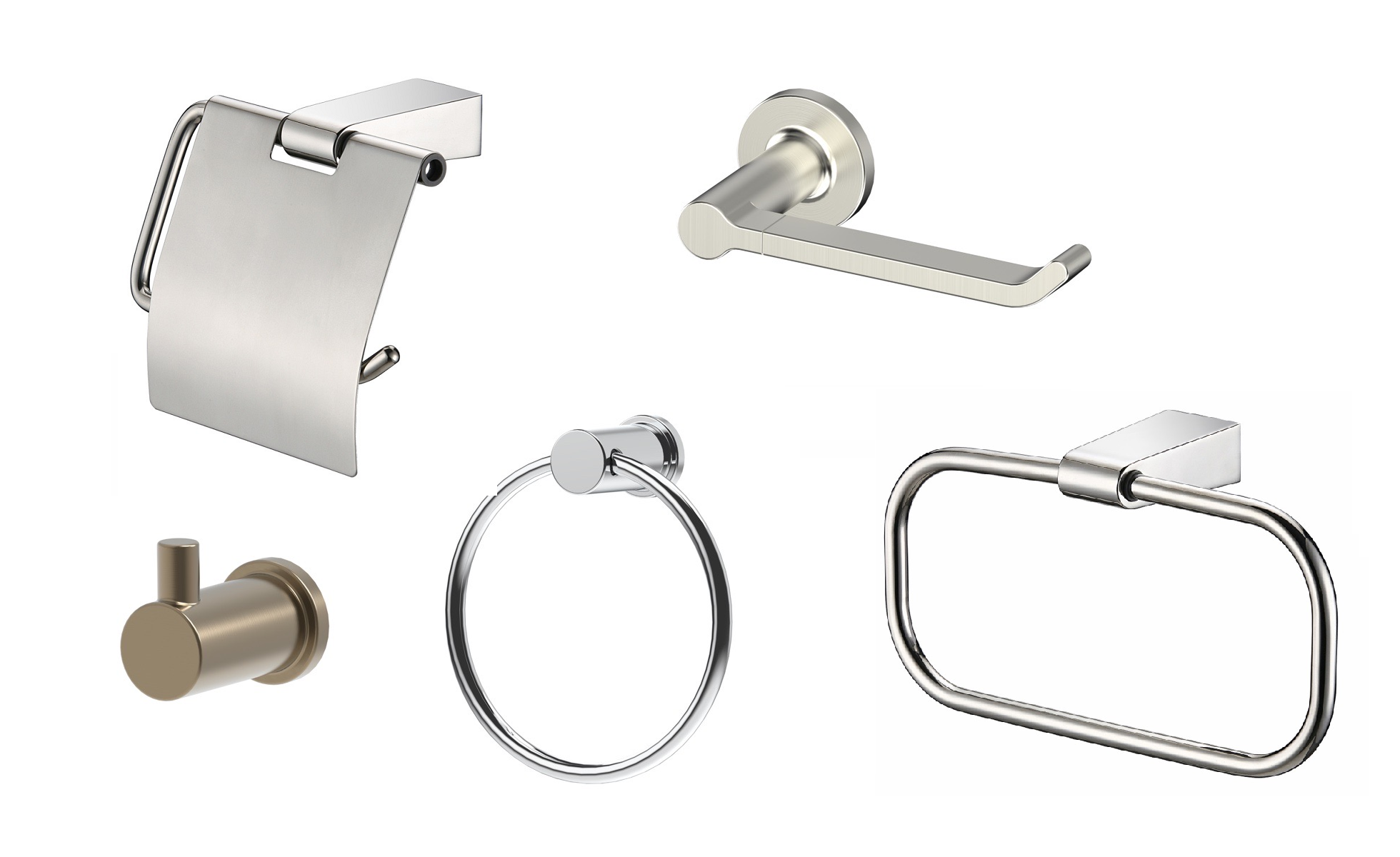
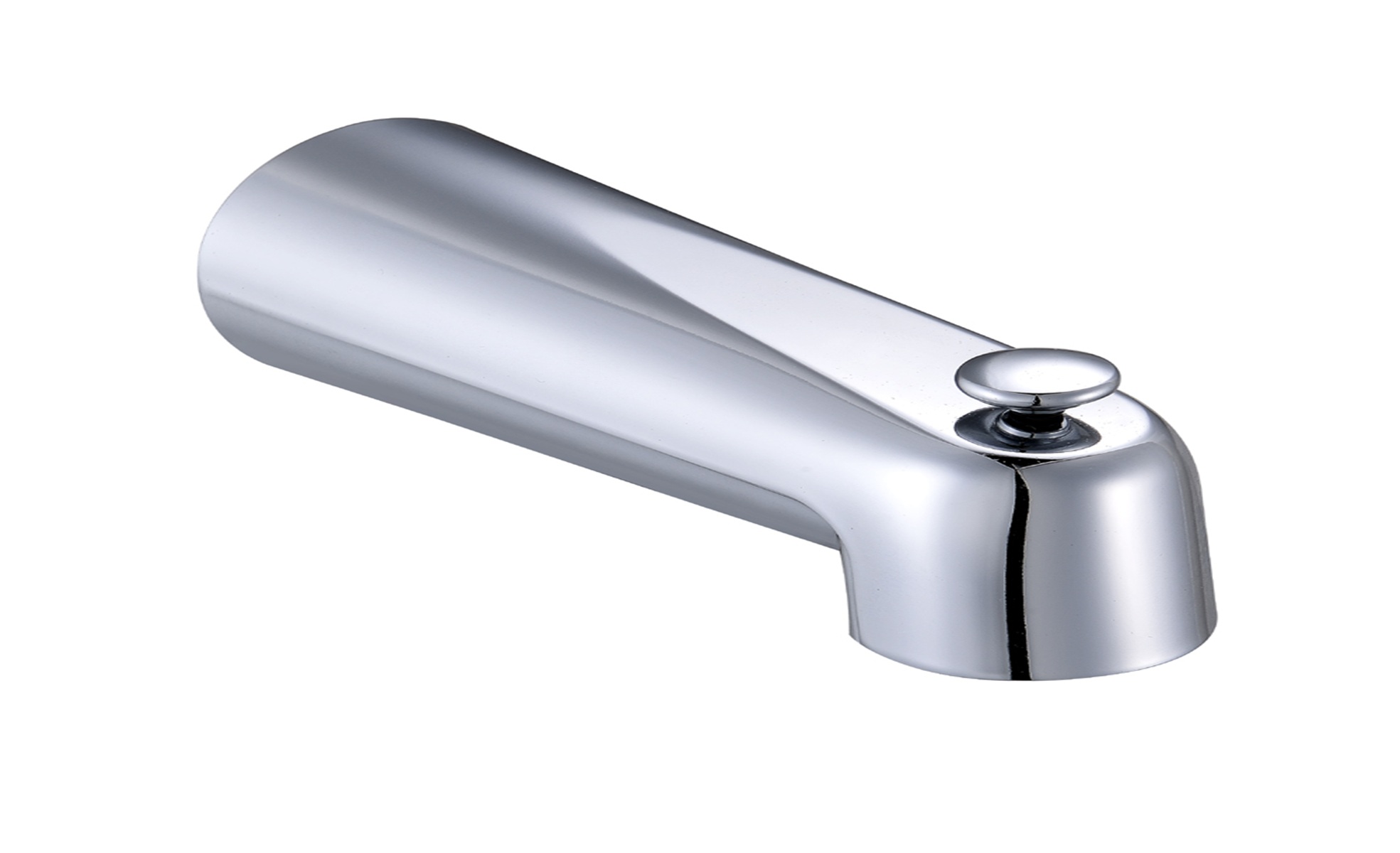
At the heart of our OEM services is a commitment to precision, scalability, and quality. We specialize in a comprehensive suite of manufacturing solutions, including Casting, Forging, Zinc Die-Casting, Stamping, Bending, and high-precision CNC Machining, followed by industry-grade Plating & Surface Treatment for superior protection and finish.
We work with a wide range of materials, including Brass, Stainless Steel, Steel, Aluminum, and Plastics. By integrating these diverse technologies under one roof, we offer a seamless one-stop shop experience that reduces lead times, ensures structural integrity, and delivers reliable, high-capacity production—without compromising on quality or consistency
Materials We Work With:
- Brass
- Stainless Steel
- Steel
- Aluminum
- Plastics
Process Descriptions
Each manufacturing process plays a key role in producing high-quality OEM parts:
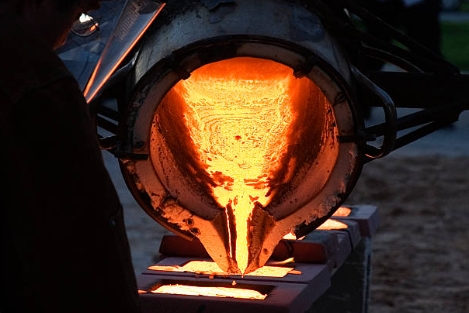
Metal is heated to a liquid state and poured into a mold. This is the most efficient method for creating complex internal geometries or very large components that would be impossible to carve from a solid block.
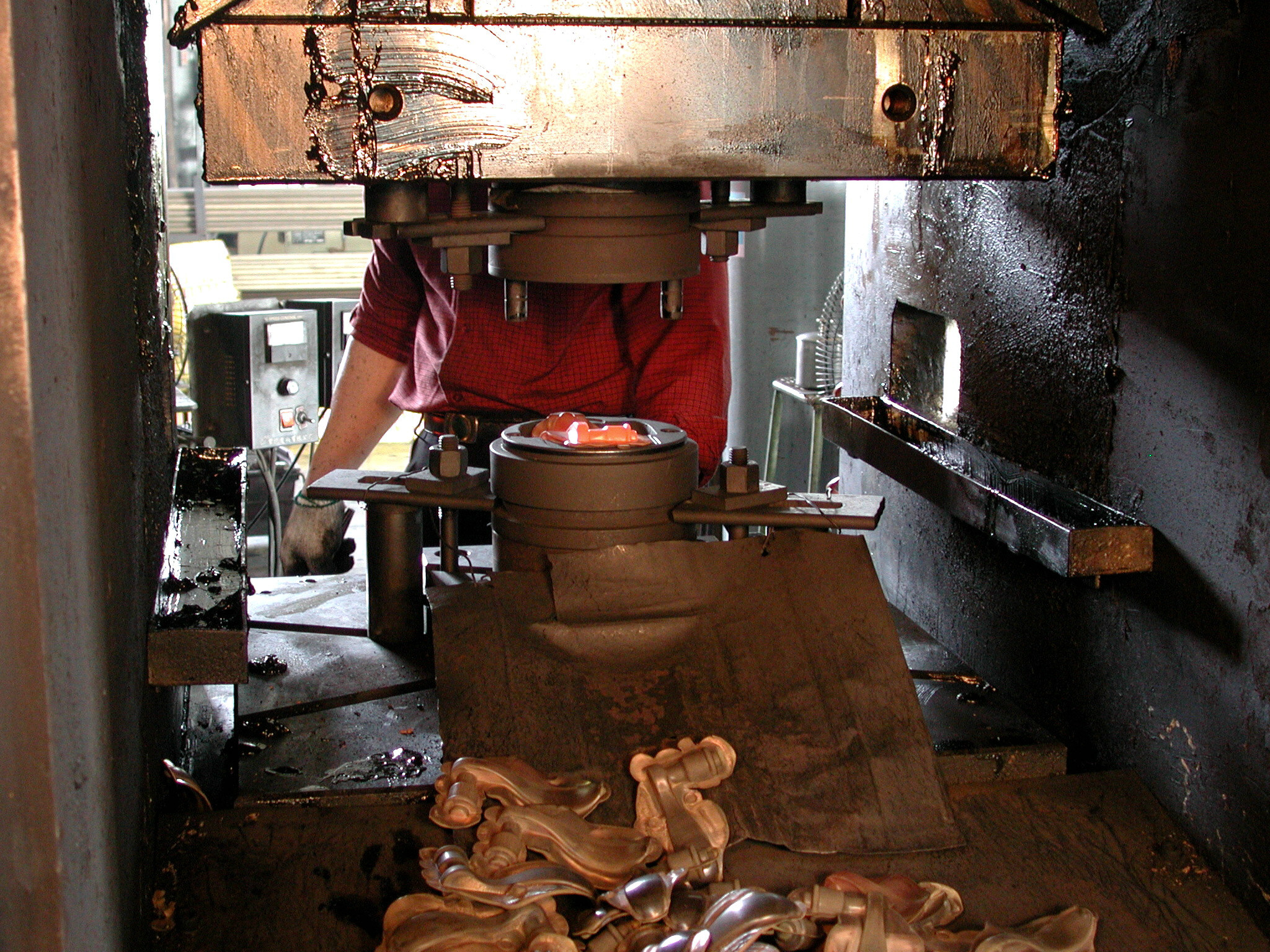
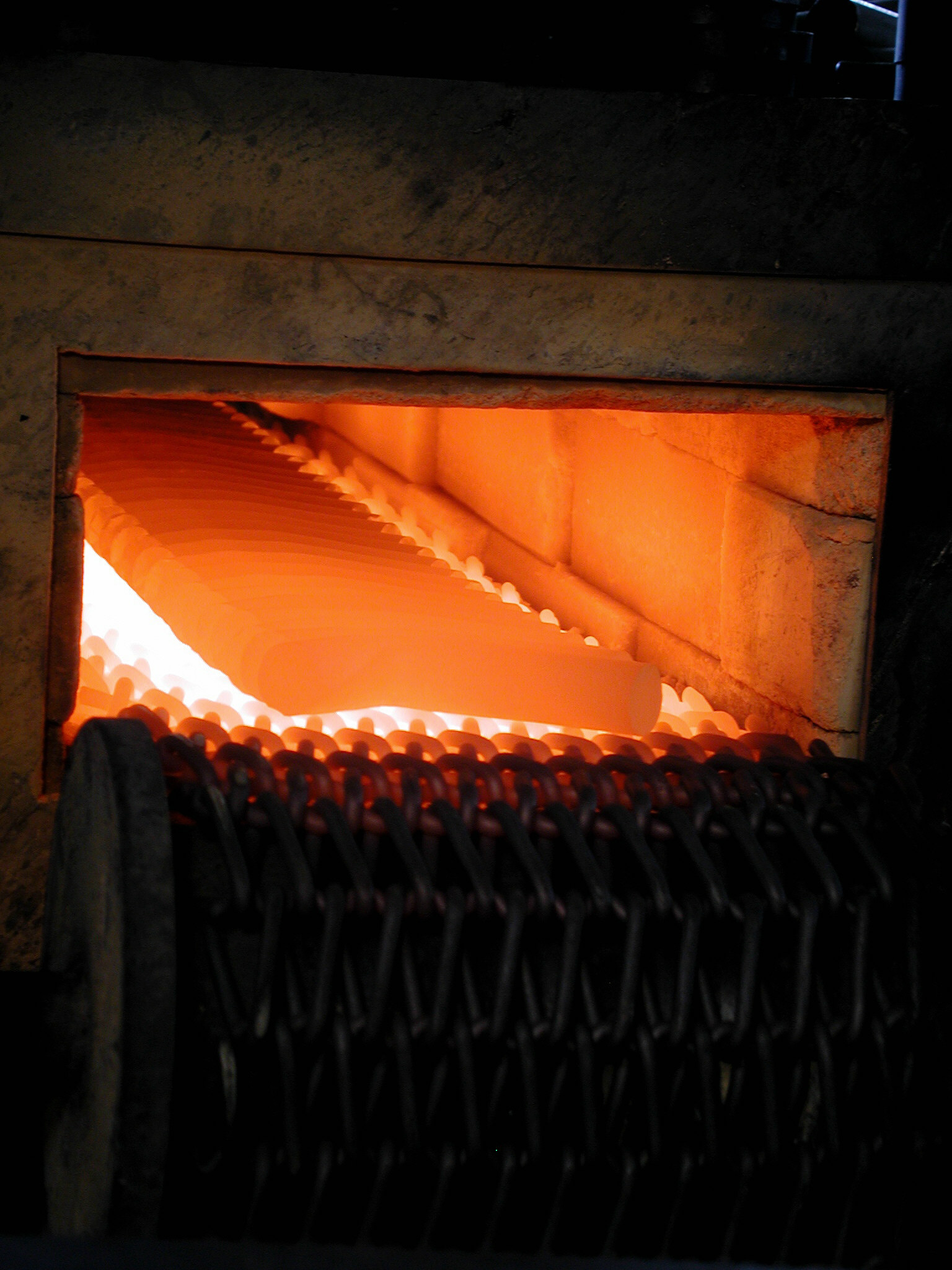
Instead of melting, the metal is heated and hammered or pressed into shape. This process realigns the “grain” of the metal, making the part exceptionally strong and resistant to impact. It is the gold standard for safety-critical parts like heavy-duty tools.
Molten zinc is injected into a steel mold at high pressure. Because zinc has a low melting point and high fluidity, it allows us to create thin-walled, intricate parts with incredibly tight tolerances and a smooth surface right out of the mold.
A high-speed process that uses dies and presses to shape or cut sheet metal into precise forms. It is highly efficient for large-volume production of consistent, cost-effective components.
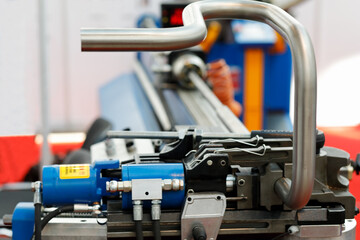
Metal tubes are formed into specific angles and shapes without compromising structural integrity. This process is ideal for applications requiring smooth curves, consistent dimensions, and high strength.
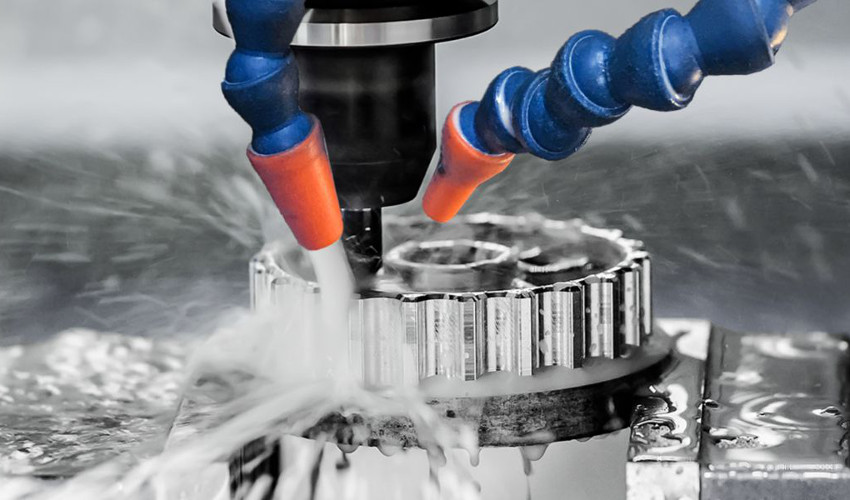
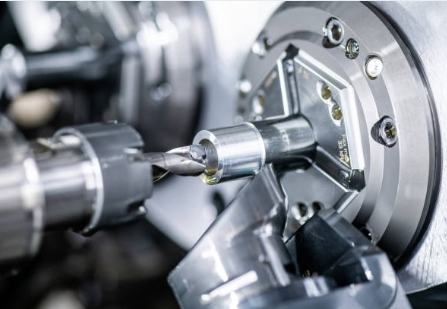
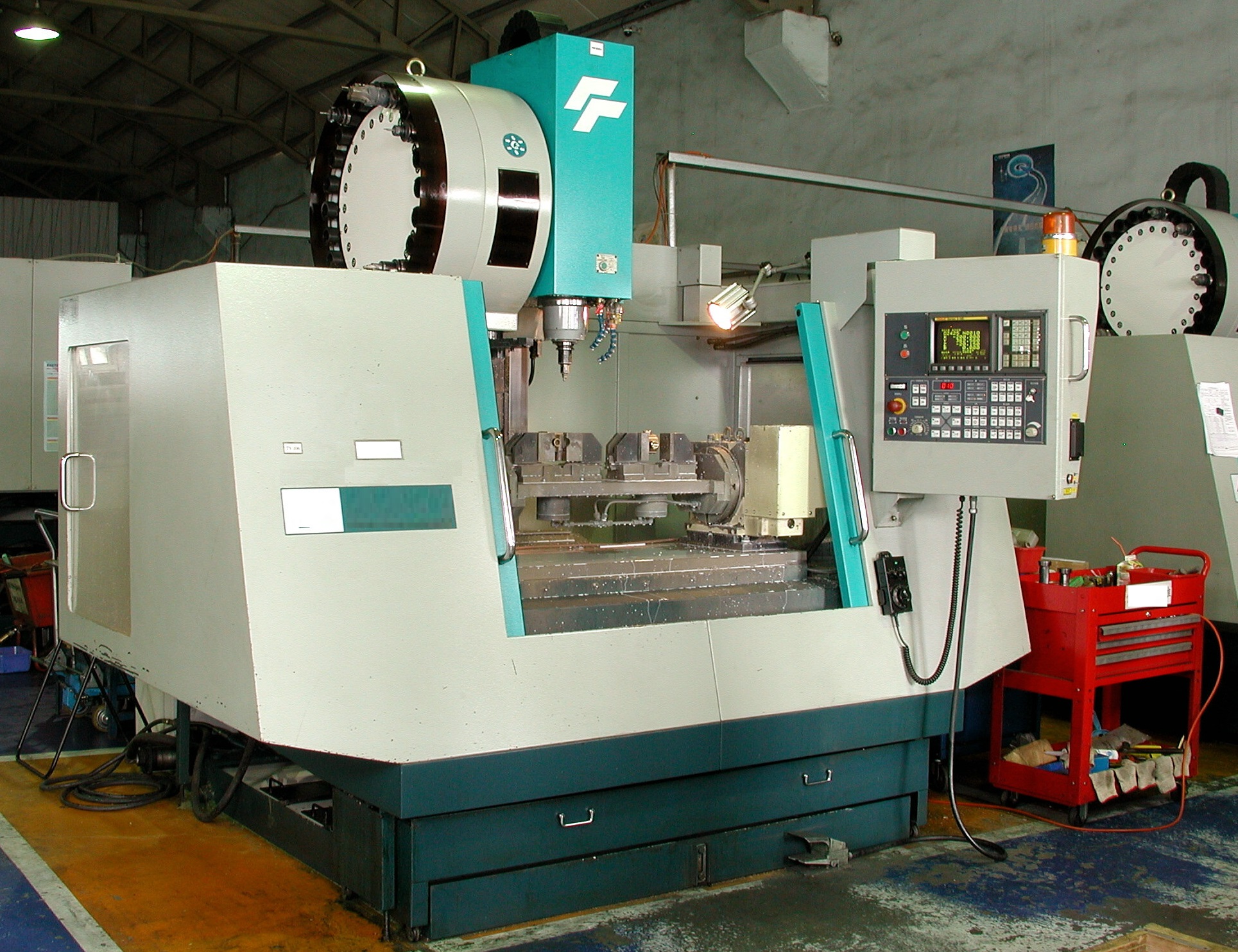
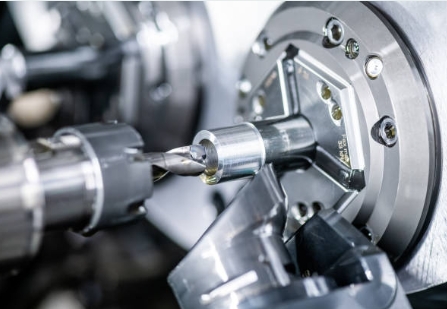
This subtractive process uses computerized tools—such as CNC lathing machines, multi-spindle cam-operated lathes, multi-spindle CNC lathes, and CNC turning centers—to remove material from a workpiece. It ensures precision finishing, with holes, threads, and surfaces meeting exact specifications, often within microns.
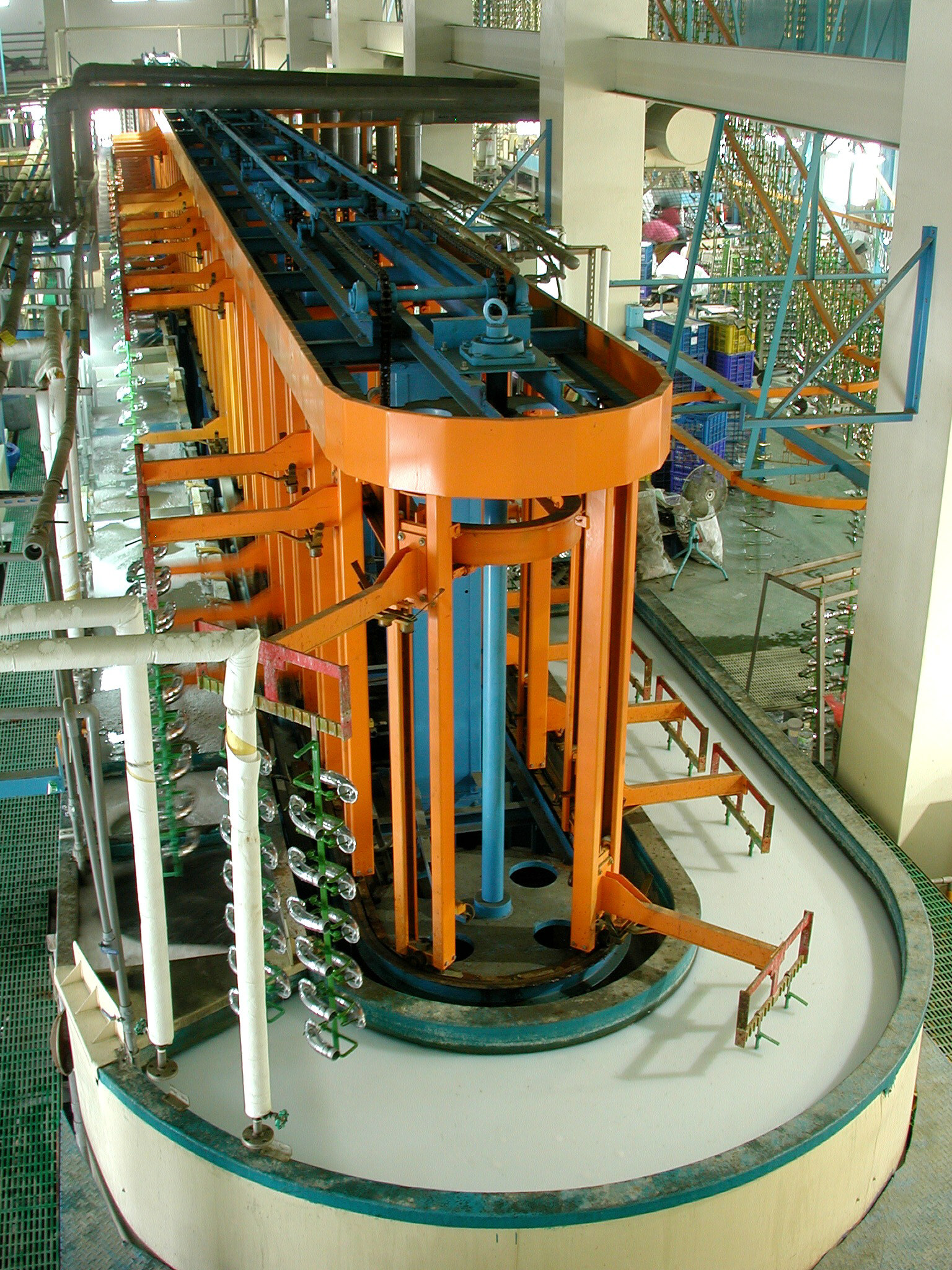
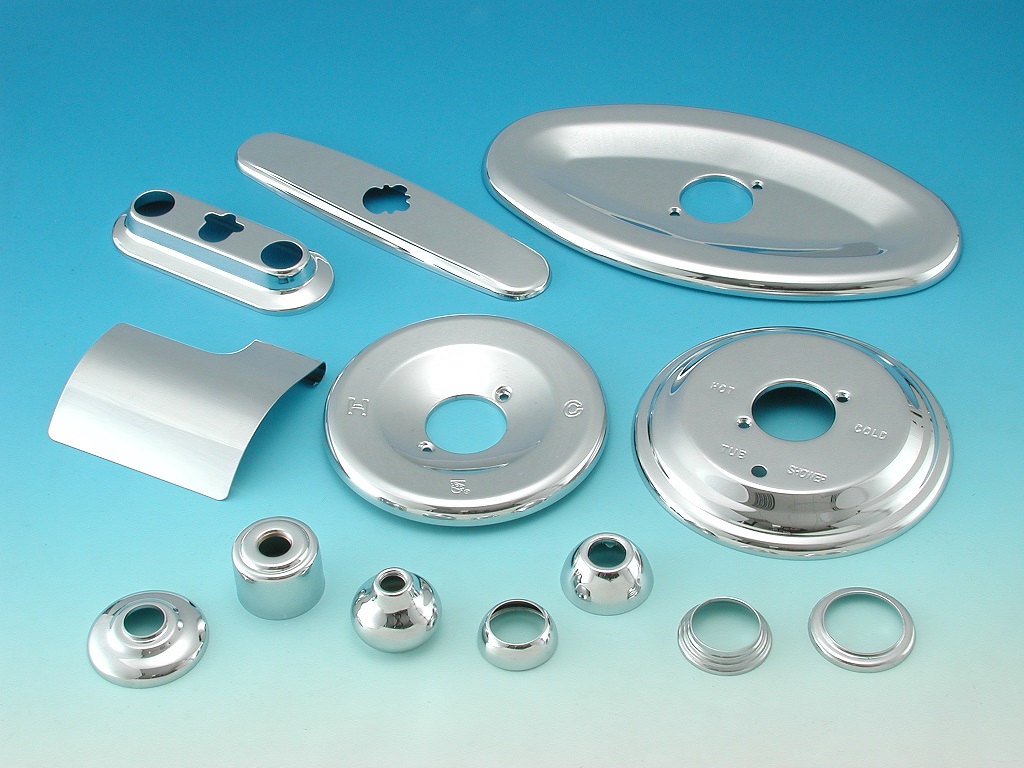
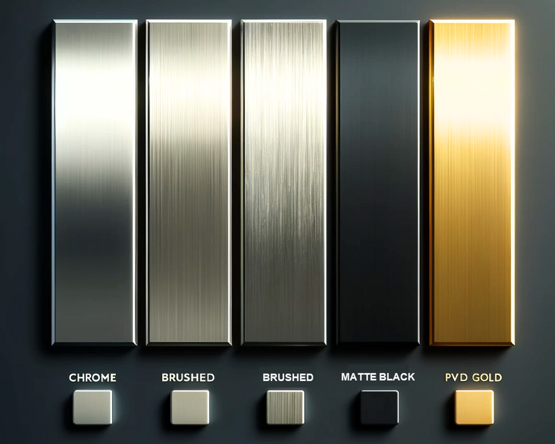
The final step involves applying a thin layer of metal—such as Chrome, Nickel, or Zinc—using electrochemical plating or Physical Vapor Deposition (PVD). This enhances corrosion resistance, reduces friction, increases wear life, and delivers a high-quality, durable finish.